Practice
Land
Good land is rarely advertised.
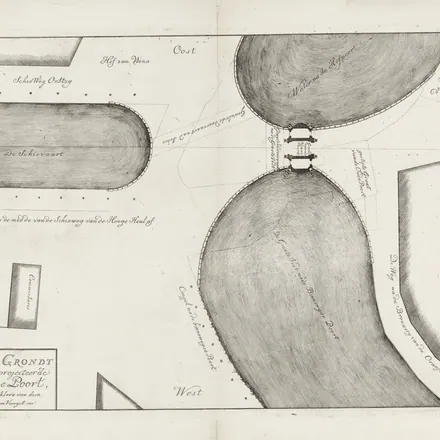
The land worth having is almost never on the market. It is with an owner who has not yet decided to sell, surrounded by issues that put off the hurried buyer: an estate not yet settled, an area that does not reconcile with the title, a legal reserve poorly recorded, a registry block from 2012 nobody went to look at.
Those issues are exactly where the discount lives. Each has a known cost and timeline for whoever has solved it before — and is expensive for whoever discovers it after signing. Reading the chain of title before making an offer is what separates a good purchase from a long dispute with a neighbour you did not know you had.
We do not develop. We prospect by growth vector, run the title and environmental screening, structure the deal — swap, staged payment, corporate vehicle — and deliver a file the specialist firm can price without redoing anything. The screening is where most sites die, and they die early: a chain of title with a gap, overlapping registrations, an unrecorded legal reserve, an environmental restriction nobody checked. Finding that out in two weeks costs little; finding out after the offer is signed costs the whole deal.
Before any offer, three searches resolve eighty per cent of the surprises: the current title with every entry, the rural environmental registry with the reserve polygon, and the zoning law in force in the municipality. They cost little, take days, and have already prevented more bad deals than any market intuition.
Fee for structuring the file and success on conversion of the deal — a signed swap, an option exercised or a corporate vehicle constituted. The title and environmental screening is delivered even when the conclusion is negative, and that delivery has its own price: finding out early that a site is no good is worth as much as finding the one that is.
Official sources, at the exact point — the article of law, the service or the search you can use today. None replaces analysis of the specific case, which is our work.
Say in two lines what you need to resolve. An account manager replies personally, in business hours, and the conversation starts where it makes a difference.
 This pagepoint the camera